Heated Rivalry : local talent, Véronique Barbe, editor
Publié le January 23, 2026
Translated from French
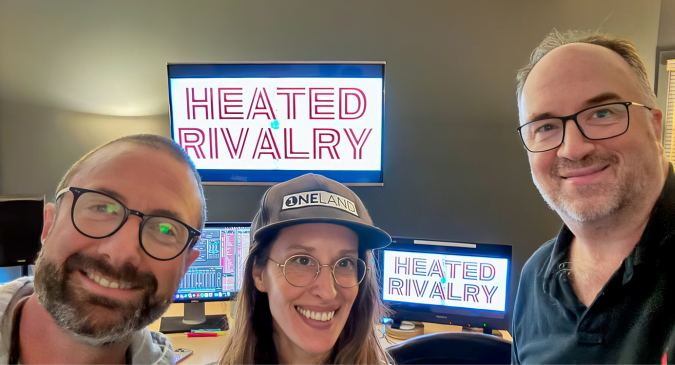
Behind Crave’s series Heated Rivalry, a hit that’s shining both at home and internationally, lies a distinctly Quebec creative touch.
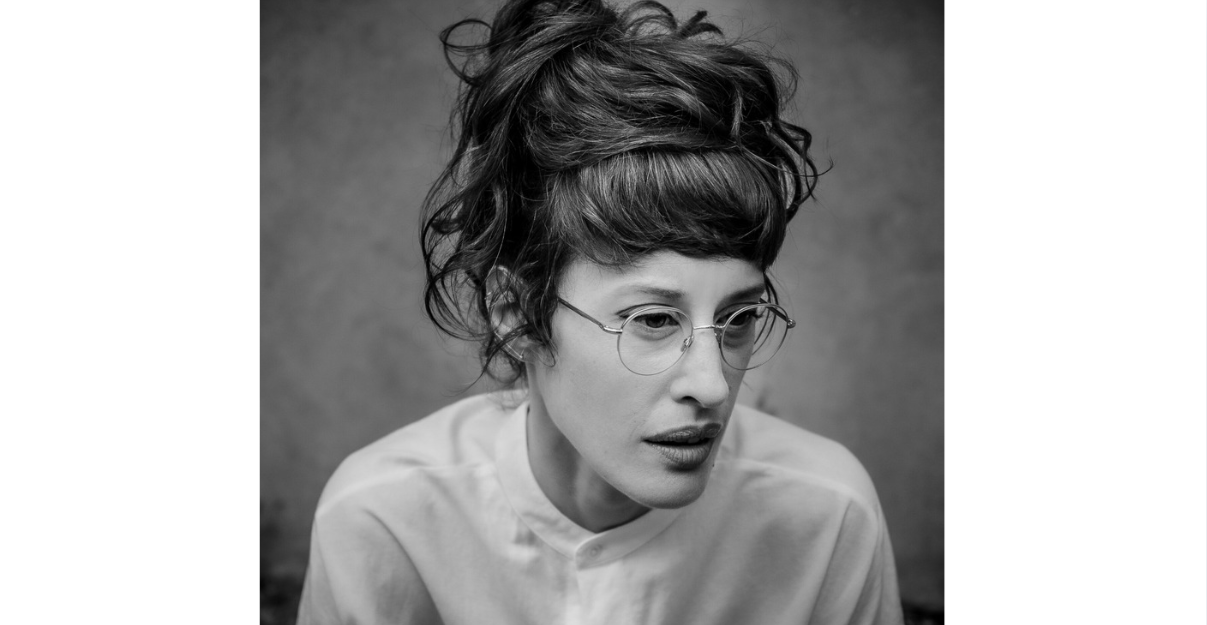
We sat down with one of the editors, Véronique Barbe, whose work has earned her nominations at the Emmy Awards, Canadian Cinema Editors Awards (CCE) and Canadian Screen Awards (CSA). In this interview, she invites us into the editing room, where filmed scenes take shape, come together, and ultimately find their meaning.
What made you want to become an editor?
As a child, I didn’t even know the job of editor existed. But the arts, music, and the music videos of the 1980-90s opened my eyes to the emotional power of storytelling, image and sound.
I went on to study Arts & literature, then Film at UQAM, but once I found myself on set, I felt oddly distant from the story we were trying to tell.
When I discovered editing, I felt close to the story. The performances, the staging, the sound, the rhythm, the emotion − everything finally came together. I quickly understood that this was my place.
When you agreed to work on Heated Rivalry, were you familiar with the source material?
Not in the slightest. I didn’t know the books the series is based on. I was aware the novels had their fans, but I had no idea the fanbase was that big.
I truly grasped it at the premiere, during the Image+Nation festival in Montréal. There were audience members dressed as hockey players, people who had travelled from Europe, loud cheers before and during the screening... That’s when I realized how much these characters mattered to people!
Was there a scene that was particularly complex to edit?
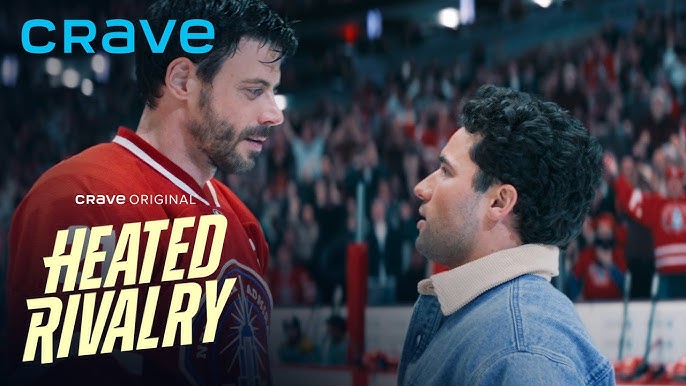
The end of episode 5 was one of the trickiest sequences to cut. During an important hockey game, the two storylines, Ilya and Shane’s, then Scott and Kip’s, that had been unfolding in parallel finally collide. We had to engineer a very precise rise in tension, all while staying faithful to a piece of music conceived right from the writing stage. It’s hard to say too much without spoiling it for anyone who hasn’t seen it yet.
The real challenge was playing with time: giving the audience just enough without ever revealing everything, and stretching certain moments so the wait becomes almost unbearable.
Some of the intimate scenes sparked a lot of reactions.
How does editing come into play in these scenes to convey emotion and desire, while respecting the performers?
Everything is tightly framed, with strict control on set. The footage is already shaped to respect what can and cannot be shown on screen.
For me, desire on screen isn’t only about nudity − it’s about tension. The kind that simmers in glances, hesitations, silences, in everything we choose to suggest without actually showing. In the editing room, we get to play with all of those subtleties. The chemistry between the actors does a lot of the heavy lifting too, of course, working hand in hand with the direction and the visual style.
Sound makes all the difference too. Sometimes, letting a scene breathe without music leaves room for authenticity, subtlety, awkwardness, the freshness of a moment. Other times, like in Episode 3, the music instead underscores an explosion of joy and desire between Scott and Kip. It all depends on the emotional intention of the scene.
Did you watch the series BEFORE its release, with the eyes of a viewer rather than those of an editor?
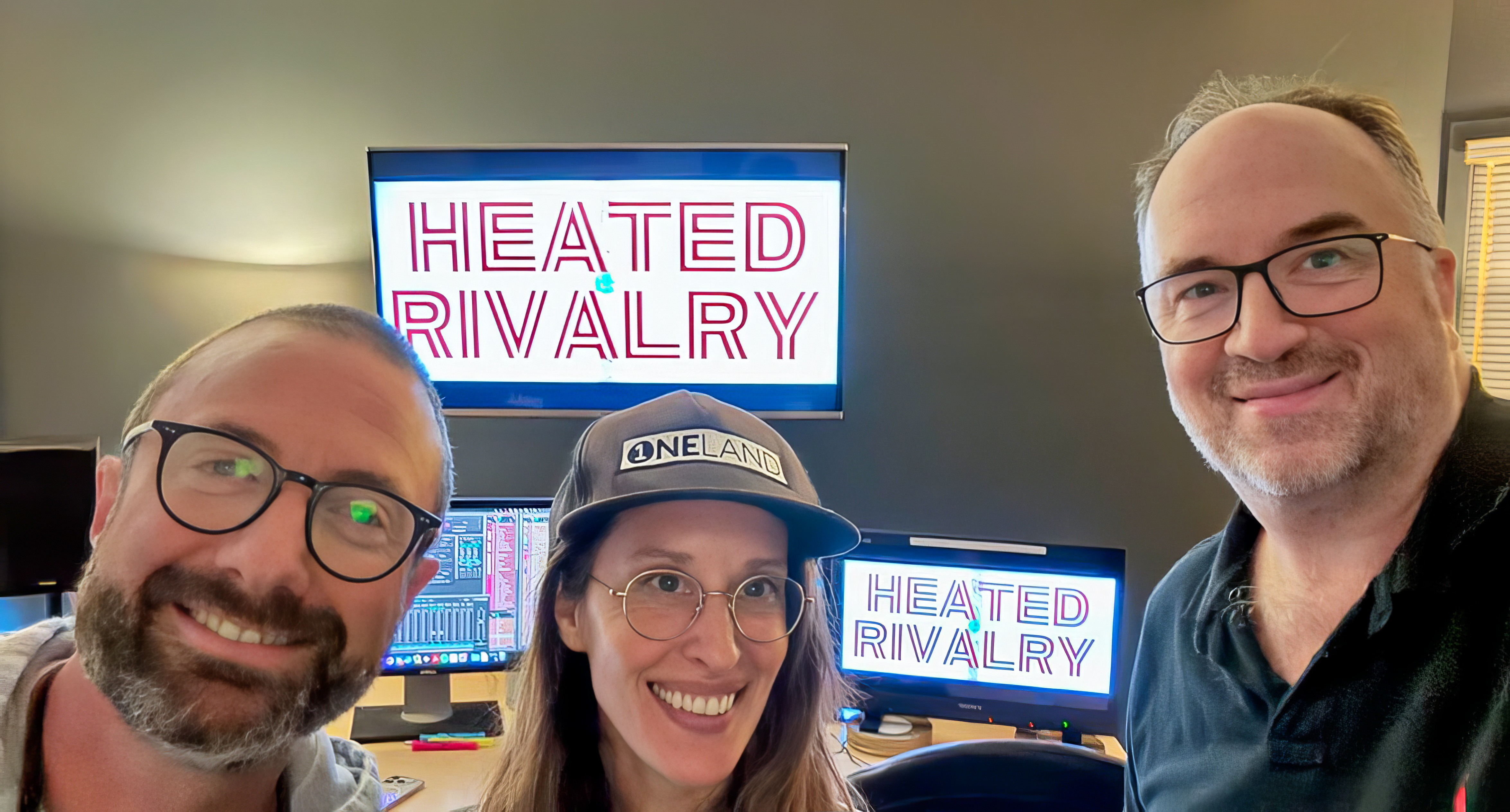
Yes − and it was essential. Arthur Tarnowski, the other editor on the series, and I watched the episodes like real spectators. In a way, editors (and assistant editors) are the first audience of a work. Our job relies heavily on perspective. Since we aren't on set, we get to discover the story with a fresh eye.
Now that season 2 has been confirmed, what are your expectations as an editor?
I don’t want to go into season 2 with expectations. In creation, that only creates unnecessary pressure. I prefer to talk about intentions.
My intention is to keep putting myself at the service of the story and of director Jacob Tierney’s vision, in the same spirit of respect, exchange, and passion that carried the first season.
I’ll also be reading the novels. After discovering the intensity of the fanbase, I realized just how much every line and every detail matter to the fans. That emotional density and that attention to the characters will directly feed into my editing work. I can’t wait to dive back into this project.
What advice would you give to those who dream of getting into editing?
I’d say first and foremost: a lot of perseverance. Starting out as an assistant editor is an excellent path. You learn the craft from the inside, by watching how editors think through a scene and build an emotion, and how they collaborate with directors and the production team.
Editing is also a profession built on mentorship and encounters. You never know who, along the way, might open a door. In my case, it was an assistant who put my name forward for my first project with Jean-Marc Vallée.
And above all, editing is a profession of empathy. Understanding the psychology of characters and nurturing your sensitivity − that’s what ultimately allows you to convey emotion on screen.
Interview by Kasey Desroches, Communications Advisor